📚 Mobile Games You Can Enjoy Without Paying: How to Choose Them
Not spending money does not have to mean falling behind. The trick is choosing games whose design does not rely on selling you power — and recognising the ones that do within the first few sessions.
Judge the store, not the ads
Marketing always says a game is free. The store tab tells the truth. If it sells only skins, themes and convenience items, a non-paying player loses nothing important. If it sells stat boosts, top-rarity characters, revives or level skips, then paying converts directly into power and the gap grows over time. Spend two minutes reading the store before you commit dozens of hours to a game.
Genres that are naturally budget-friendly
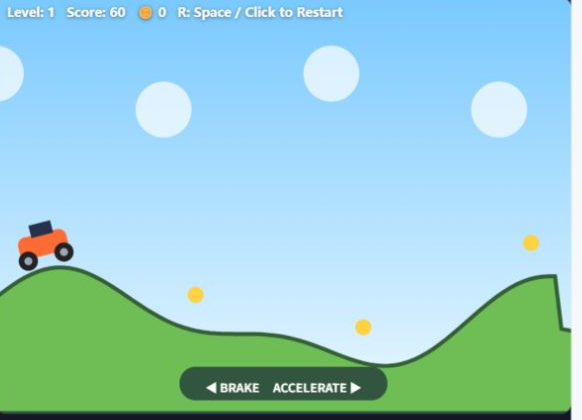
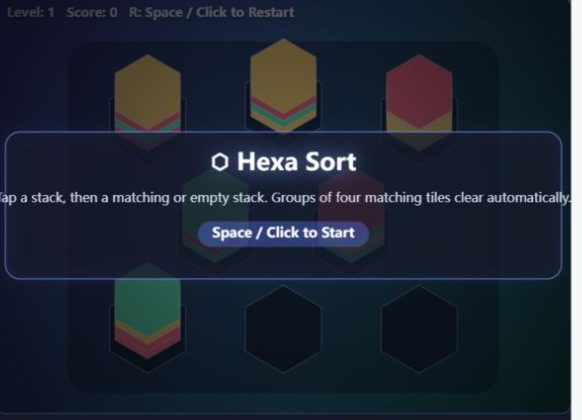
Single-player and skill-based games are the safest ground: puzzle, arcade, platformer, roguelike, card, sudoku and match-three. Nobody can buy their way past you in a game that has no opponent. Cooperative and story games are usually gentle too. The categories to approach carefully are competitive PvP with paid upgrades and collection games where the strongest units come only from paid draws.
Practical habits for playing free
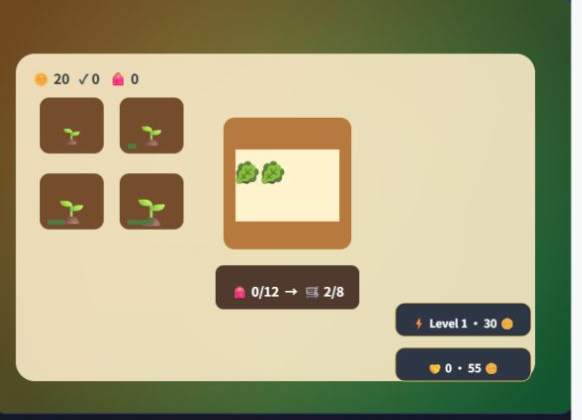
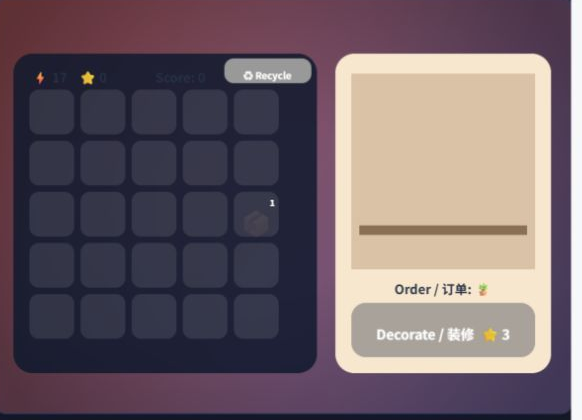
Save free premium currency for guaranteed rewards instead of gambling it on random draws, and finish long-term event goals rather than chasing every limited banner. Set a rule that you leave any game where progress genuinely stops without payment — there is far more available than time to play it. Browser games are a useful reset button here: no account, no store, and you can quit any time without losing an investment.
❓ Häufige Fragen
Are non-paying players always weaker?
Only in games that sell power. In single-player and cosmetic-only games, results come from skill and time, so a free player can reach the very top.
How long before I can tell if a game is pay-driven?
Usually within the first few hours. Watch for a difficulty wall right after a shop popup, energy limits, and whether paid items affect stats rather than looks.