📚 What Is a Roguelike Mobile Game? Runs, Randomness and Permadeath
A roguelike is built around runs: you start a fresh attempt, the layout and rewards are generated randomly, and when you die that attempt is over for good. On mobile this format fits perfectly, because a single run lasts minutes rather than hours. Here is what defines the genre and why it suits a phone.
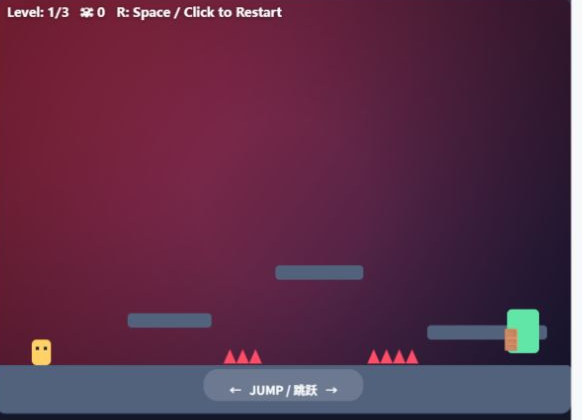
Procedural generation and permadeath
Two rules define the genre. Levels, enemies and item drops are generated fresh each time, so memorising a route does not help — you learn systems instead. And death ends the run, sending you back to the start rather than to a checkpoint. Together these make every attempt genuinely different and make survival feel earned rather than scripted.
Build variety is where the depth lives
During a run you pick up weapons, upgrades and modifiers that combine in unexpected ways. One attempt turns you into a glass cannon, the next into something slow and unkillable. Learning which combinations work is the real progression, which is why a good roguelike stays interesting after dozens of runs while a linear game would be finished.
Why the format suits phones and browsers
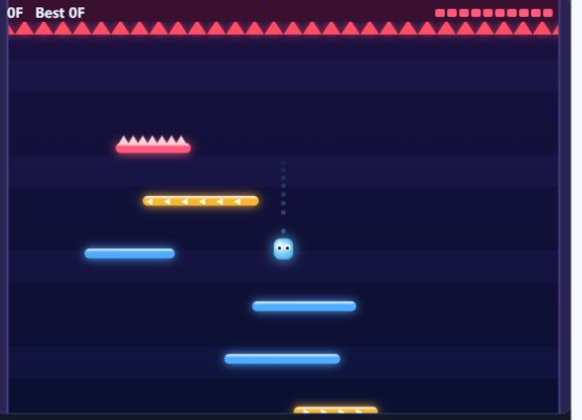
A run has a definite end, so a session fits a commute and an interruption costs at most one attempt. There is no lost campaign progress and nothing to schedule. The same qualities make roguelikes work well as browser games: they load quickly, need only simple controls, and SmallWebGame has original action and arcade titles built around exactly this run-based structure.
❓ Häufige Fragen
What does permadeath mean?
It means a death ends the current run completely — you restart from the beginning with a newly generated layout instead of reloading a save.
Are roguelikes too hard for beginners?
They are difficult by design, but many modern ones keep permanent unlocks between runs, so each attempt makes the next one slightly easier.
'%2F%3E%3Cstop%20offset%3D'1'%20stop-color%3D'rgba(0%2C0%2C0%2C0.55)'%2F%3E%0A%20%20%20%20%20%20%3C%2FlinearGradient%3E%0A%20%20%20%20%3C%2Fdefs%3E%0A%20%20%20%20%3Crect%20width%3D'160'%20height%3D'160'%20rx%3D'12'%20fill%3D'url(%23g)'%2F%3E%0A%20%20%20%20%3Ccircle%20cx%3D'131.2'%20cy%3D'32'%20r%3D'41.6'%20fill%3D'rgba(255%2C255%2C255%2C0.12)'%2F%3E%0A%20%20%20%20%3Ccircle%20cx%3D'19.2'%20cy%3D'99.2'%20r%3D'32'%20fill%3D'rgba(255%2C255%2C255%2C0.08)'%2F%3E%0A%20%20%20%20%3Ctext%20x%3D'50%25'%20y%3D'70.4'%20font-size%3D'67.2'%20text-anchor%3D'middle'%20dominant-baseline%3D'central'%3E%F0%9F%8E%AE%3C%2Ftext%3E%0A%20%20%20%20%3Crect%20width%3D'160'%20height%3D'160'%20rx%3D'12'%20fill%3D'url(%23shade)'%2F%3E%0A%20%20%20%20%3Ctext%20x%3D'9.6'%20y%3D'144'%20font-size%3D'13.600000000000001'%20font-family%3D'Inter%2CMicrosoft%20YaHei%2CArial%2Csans-serif'%0A%20%20%20%20%20%20font-weight%3D'700'%20fill%3D'%23fff'%3ENinja%20Jump%3C%2Ftext%3E%0A%20%20%3C%2Fsvg%3E)